How AI and Agents Are Disrupting the Recruitment Process from Both Sides
Artificial intelligence is reshaping recruitment in ways that go beyond simple efficiency gains.
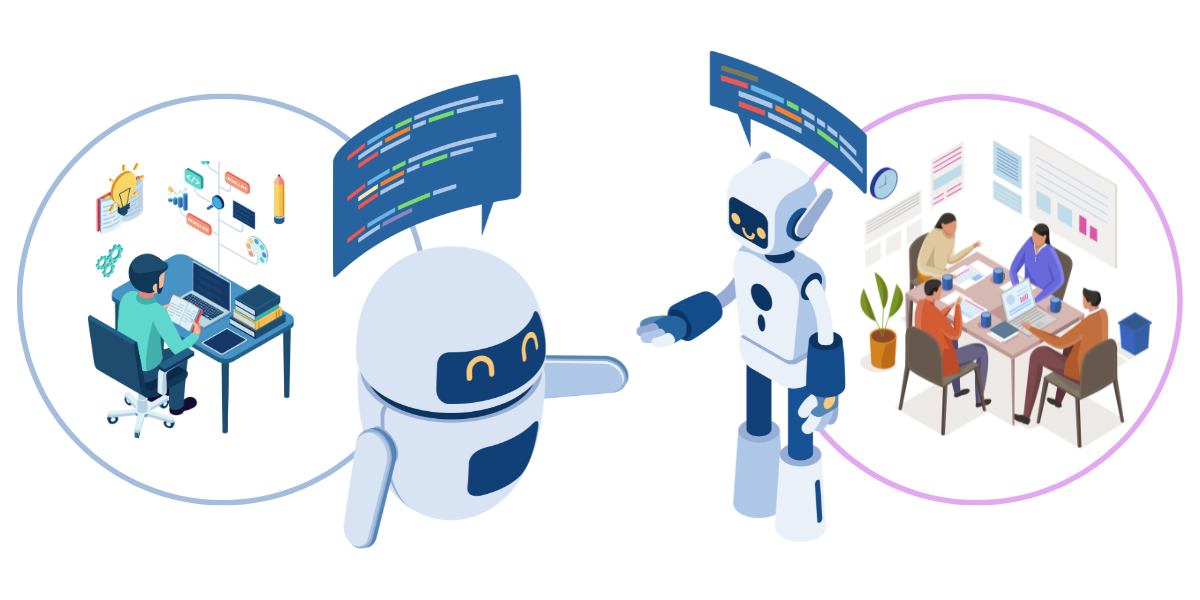
What was once a process driven largely by human judgement is now increasingly influenced by automation on both sides. Employers are using AI to filter and assess candidates at scale, while candidates are using AI tools to generate, optimise, and submit applications.
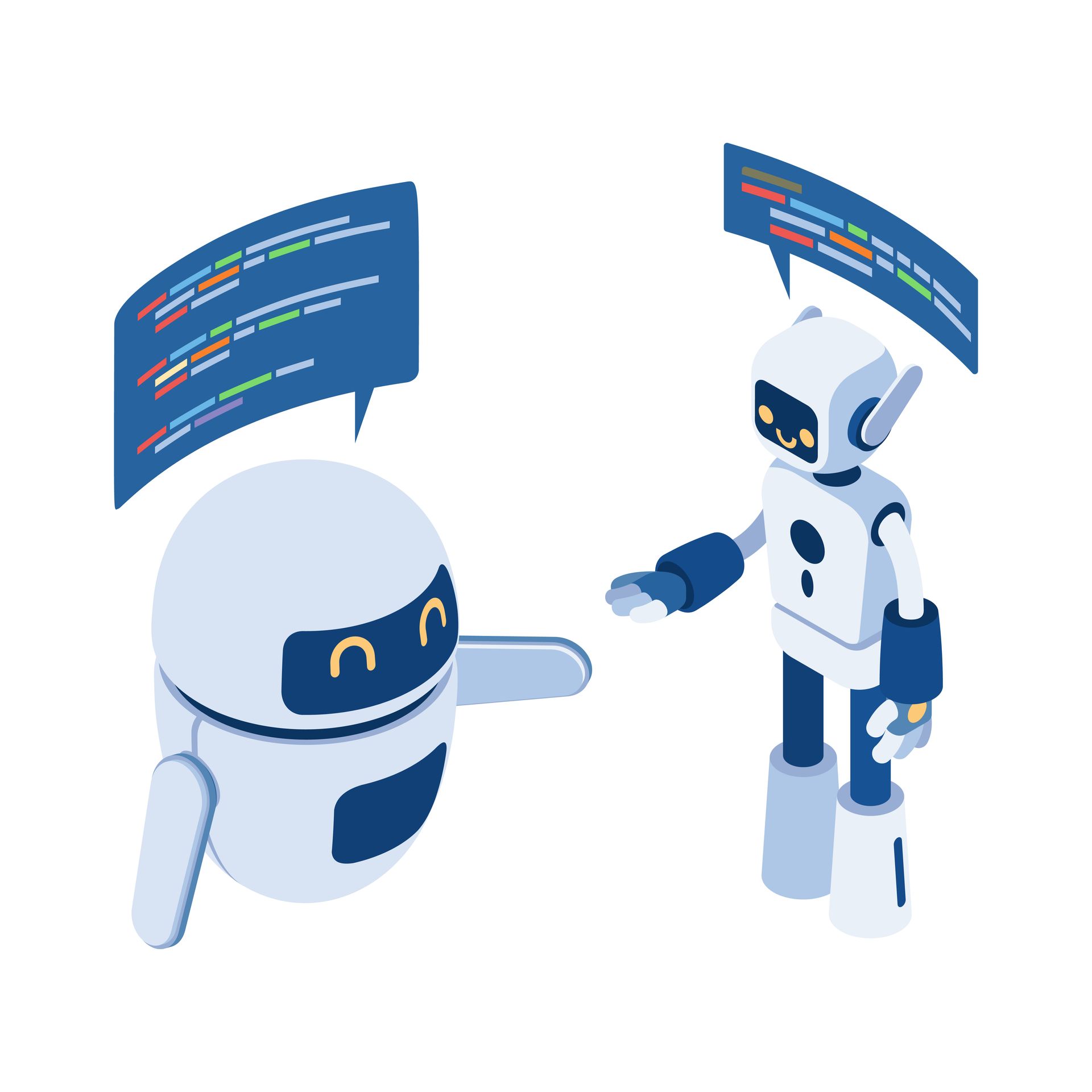
Individually, these developments make sense. Together, they are creating a recruitment environment where both sides are optimising for each other’s systems rather than for genuine fit.
Automation on Both Sides of the Process
Recruitment has always involved managing large volumes of information. AI has significantly accelerated this.
Organisations now use AI to:
- Screen CVs against job requirements
- Rank candidates using keyword and experience matching
- Automate communication
- Analyse interview responses
- Predict candidate suitability based on data
At the same time, candidates are increasingly using AI to:
- Generate tailored CVs and cover letters
- Optimise applications for applicant tracking systems
- Prepare interview responses
- Automate job searching and submissions
This creates a feedback loop. Candidates optimise for AI screening, while employers rely more heavily on AI to manage the resulting volume.
The Volume Problem
One of the clearest impacts of AI is the increase in application volume.
Candidates can now apply to many roles quickly, often with well-structured, tailored applications generated by AI. On the surface, this looks like a positive development.
In practice, it creates challenges for employers:
- More applications to process
- Greater difficulty identifying genuine capability
- Increased reliance on automated filtering
- Risk of overlooking strong but unconventional candidates
More applications do not necessarily improve hiring outcomes. In many cases, they make it harder to separate strong candidates from well-presented ones.
The Illusion of Fit
AI-generated applications are highly effective at aligning with job descriptions. They use the right language, match key requirements, and present experience clearly.
"However, this creates a potential illusion of fit."
Candidates can appear highly aligned with a role without having the depth of experience required. At the same time, capable candidates who do not optimise their applications may be filtered out early.
This shifts the advantage towards those who understand how to use AI tools effectively, rather than those who are necessarily the best fit for the role.
Rethinking Screening and Assessment
As traditional CV screening becomes less reliable, organisations are being forced to adjust how they assess candidates.
There is a growing shift towards:
- Skills-based assessments
- Practical exercises
- Structured interviews
- Behavioural and situational questioning
- Earlier validation of experience
The focus is moving away from what candidates claim on paper to what they can demonstrate in practice.
This reflects a broader change — recruitment is becoming less about filtering information and more about verifying capability.
Candidate Experience: Efficient but Less Personal
AI has improved the speed of recruitment processes. Candidates often receive faster responses and more consistent communication.
"However, this efficiency can reduce the human element."
Candidates increasingly report:
- Generic or automated communication
- Limited personalised feedback
- Difficulty standing out in high-volume processes
- Fewer opportunities to build relationships
For employers, this presents a trade-off. Efficiency improves, but engagement and employer brand may weaken if the process feels impersonal.
Risks of Over-Automation
While AI brings clear benefits, over-reliance introduces risks.
These include:
- Filtering out strong candidates who do not match predefined patterns
- Reinforcing biases in historical data
- Reducing diversity of thought and experience
- Creating false confidence in automated decisions
"AI systems are not neutral."
They reflect the assumptions and data used to build them. Without oversight, they can narrow the talent pool rather than improve it.
The Return to Authenticity
As AI-generated content becomes more common, authenticity is becoming more valuable.
Employers are placing greater emphasis on signals that are harder to automate, such as:
- Depth of understanding
- Problem-solving ability
- Consistency across different stages of the process
- Genuine communication
- Evidence of real experience
Candidates who rely heavily on scripted or AI-generated responses often struggle when asked to go deeper.
What Employers Should Do Differently
Organisations need to adapt their recruitment approaches to maintain quality.
Key considerations include:
- Moving beyond keyword-based screening
- Introducing practical assessments earlier
- Ensuring human involvement at key decision points
- Balancing efficiency with meaningful engagement
- Monitoring outcomes to identify bias or gaps
AI should support decision-making, not replace it.
What Candidates Should Do Differently
Candidates also need to adjust their approach.
AI tools can improve efficiency, but they should be used carefully. Over-reliance can lead to generic applications and weak performance in interviews.
Effective candidates focus on:
- Demonstrating real experience
- Preparing for unscripted discussions
- Explaining how they think, not just what they know
- Building a clear and authentic narrative
In an environment where many applications look similar, authenticity becomes a differentiator.
The Continued Role of Recruiters
Despite increased automation, experienced recruiters remain important.
They provide:
- Context beyond what is written in a CV
- Insight into candidate capability
- Validation of experience
- Understanding of organisational fit
In many cases, they help balance the limitations of automated systems.
"AI and bots are fundamentally changing recruitment from both sides."
They are increasing speed and scale, but also introducing new challenges around accuracy, authenticity, and fairness.
The organisations that succeed will not be those that automate the most, but those that apply AI thoughtfully — combining it with strong human judgement and well-designed processes.
For candidates, the message is equally clear.
AI can enhance your approach, but it cannot replace genuine capability.
In a system increasingly shaped by automation, the ability to demonstrate real value remains the most reliable advantage.